
The Impact of the Fall in the JCI on Low-Income Workers
The Composite Stock Price Index and the compact rupiah exchange rate plummeted, posing a real threat to the economy, including for low-income workers who do not have share ownership in the capital market.
AI creates a new explanation from RingkasNow facts and source metadata—it does not copy or fully translate the source article.
News explanation
What happened
Key facts
Why it matters
Context
Who is involved / affected
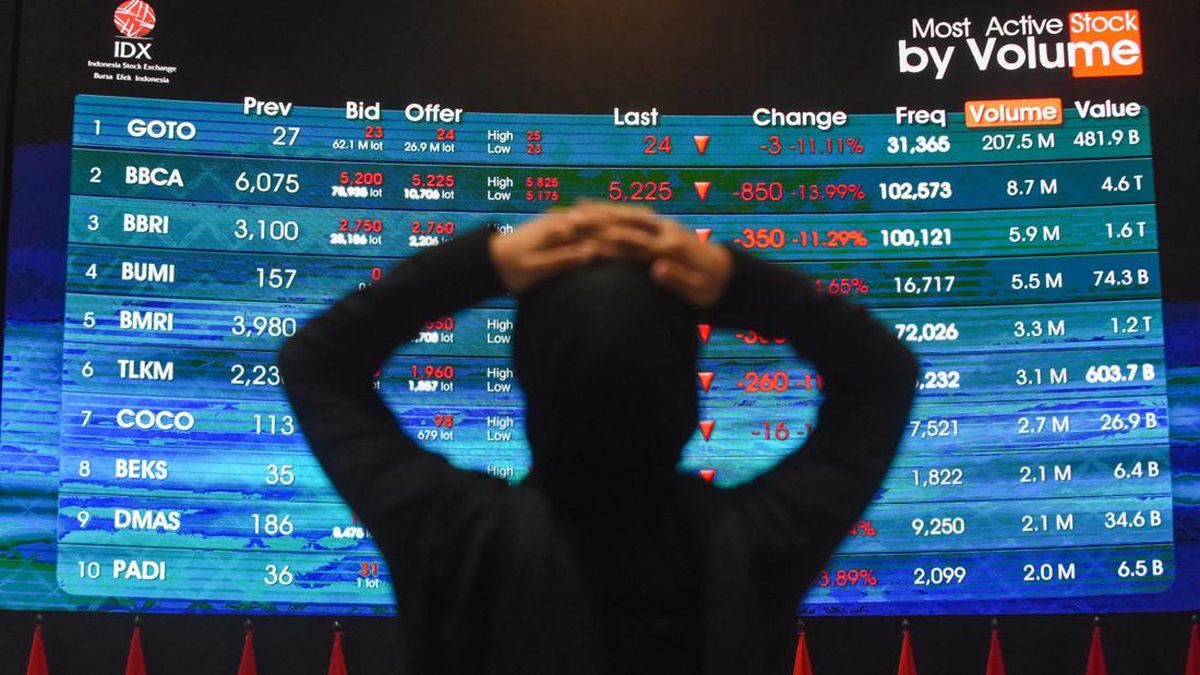
Image credit
The stock market experienced a significant fall after the announcement of consideration of reducing the status of the capital market from Emerging Market to Standalone Market. All stock sectors ended in the red zone with large transaction values and the deepest weakness was recorded by the raw goods sector.
Workers with small salaries can still feel the indirect impact through the weakening of the rupiah and the withdrawal of foreign investor funds. This condition has the potential to increase the cost of importing raw materials and energy, which then increases the company's production costs.
The lowest spending population group allocates most of their income to food spending. The increase in prices of basic necessities makes the space for financing transportation, health and education increasingly narrow for low-income families.
Companies facing cost pressures have the potential to hold back expansion, delay hiring and reduce overtime. Long-term risks include a decline in the economic status of the lower middle class if cost of living pressures and job uncertainty persist for a long time.